Best and Worst Franchises to Buy in 2026: What Actually Makes Money
Smart franchise buyers choose boring, essential, recession-resistant businesses solving real problems. They want recurring revenue, reasonable investment

What Makes a Franchise Good or Bad?
Good franchises operate in growing markets with essential services people can't delay. They have proven business models, reasonable investments relative to earnings, and strong unit economics where individual locations actually make money—not just corporate.
Bad franchises cluster in oversaturated or declining markets. They require massive investments with five-year break-evens. When you examine Item 19 of the Franchise Disclosure Document—actual financial performance—the numbers rarely match the sales pitch.
The WINNERS
Home Services (HVAC, Plumbing, Electrical)
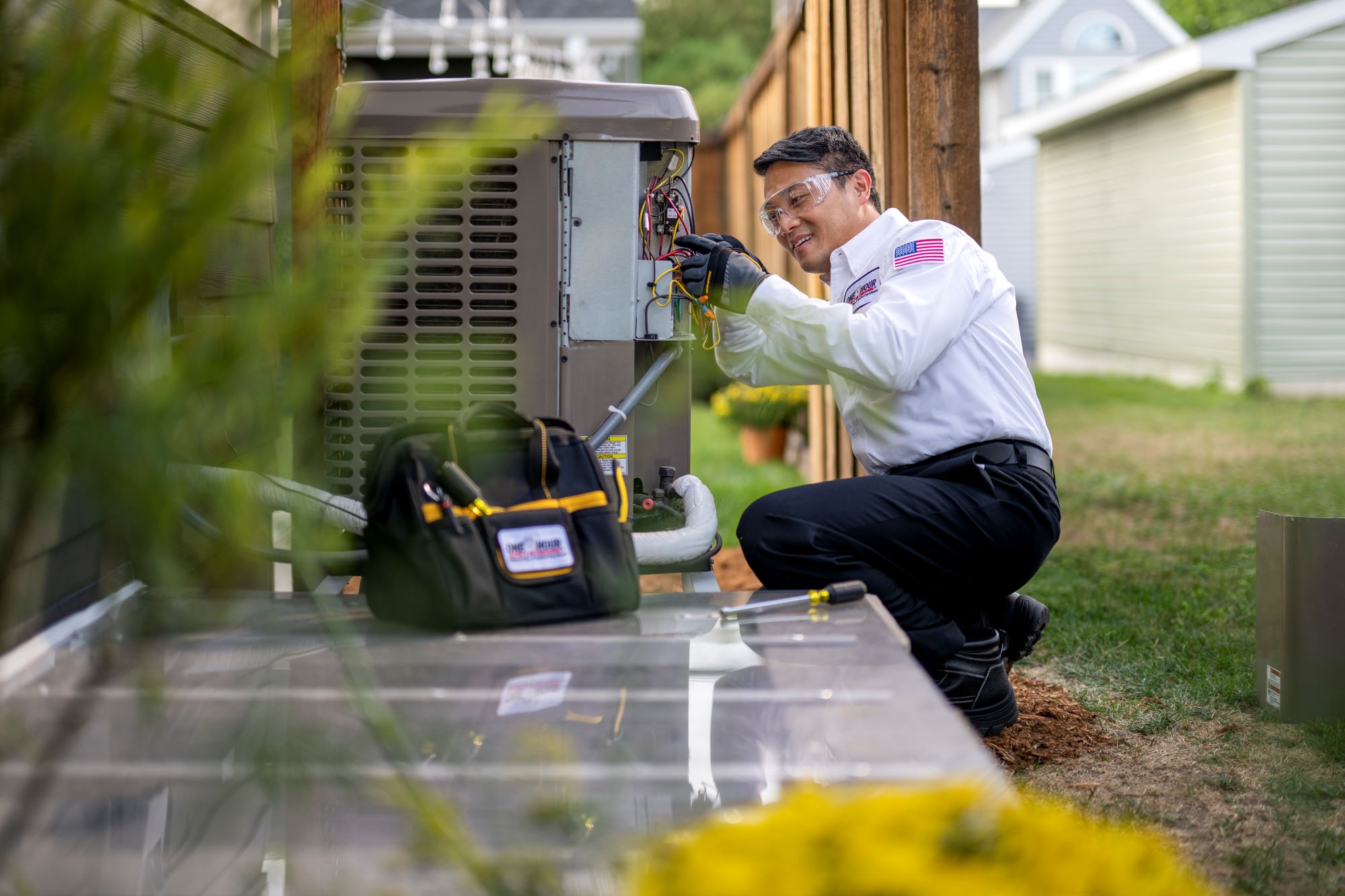
With over 1.4 million unfilled positions in skilled trades, home service franchises are experiencing unprecedented demand.
Investment: $100,000-$250,000
Revenue potential: $500,000-$2 million annually
Profit margins: 15-30%
Break-even: 12-18 months
When someone's AC dies in Florida summer or their water heater floods at 11 PM, they're calling whoever can show up fastest. That desperation creates pricing power. Plus, you sell annual maintenance contracts that generate predictable recurring revenue.
The only challenge? Finding qualified technicians. Smart owners partner with workforce development organizations like The Blue Collar Recruiter, which trains workers for these careers and connects them with employers.
Senior Care Services
Ten thousand Americans turn 65 every single day. This demographic wave creates massive demand for in-home care and companion services.
Investment: $80,000-$150,000
Revenue: $800,000-$3 million annually
Margins: 15-25%
Most operate from home offices—no expensive retail space. Revenue centers on ongoing care contracts, not one-time services. When a family hires you for elderly parent care, that relationship continues for months or years. Payment comes from private pay, long-term care insurance, and Medicare/Medicaid.
Commercial Cleaning
Nothing sexy about janitorial services, but they're quietly lucrative. Businesses can't stop paying for cleaning regardless of economy.
When the 2008-2009 recession hit, commercial cleaning barely flinched. According to Franchise Direct, cleaning weathered that crisis better than virtually any other category because facility maintenance isn't optional.
Investment: $50,000-$120,000
Margins: 15-30%
Break-even: 6-12 months
You secure 3-5 year contracts with predictable revenue. Scale by adding crews and contracts. Growth is limited only by your ability to find clients and staff teams.
Recruiting Franchises
As skilled trades shortages intensify, franchises training people for high-demand careers are becoming incredibly valuable.
Investment: $50,000-$150,000
Revenue: $300,000-$1 million+ annually
Margins: 20-35%
The Blue Collar Recruiter trains people for skilled trades through online programs, then connects them with desperate employers. Students pay for training. Employers pay placement fees. Some franchises even secure government workforce grants—three revenue streams.
With 1.4 million unfilled positions and half of current workers retiring in 10 years, you're solving a structural problem getting worse every year—while building something meaningful.
The LOSERS
Fast Food Restaurants
.jpeg)
Investment: $500,000-$2 million+
Margins: 5-10%
Break-even: 3-5 years
According to Restaurant Dive, average QSR franchisees make $80,000-$120,000 annually after working 60-80 hours weekly and investing $1+ million. That's terrible ROI.
Location is 80% of success. Get it wrong and you're done—but you won't know for 12-18 months, after you've invested everything and signed a 10-year lease.
Exception: Chick-fil-A (but they approve fewer than 1% of applicants).
Retail and Specialty Stores
E-commerce is destroying retail. Specialty stores require $150,000-$500,000 investment while facing declining foot traffic and Amazon competition.
According to FRANdata, retail franchises have the highest failure rates—many see 30-40% of locations close within three years.
Fitness Centers
Investment: $300,000-$1 million+
Margins: 10-15%
Member churn: 40-50% annually
The pandemic accelerated home fitness adoption. Most members quit within three months, forcing constant customer acquisition just to maintain revenue.
Automotive Services
Cars becoming more reliable. People driving less. EVs require minimal maintenance—no oil changes, fewer brake jobs.
Oil change franchises face particularly dire futures as EV adoption accelerates. You're betting against technological progress.
How to Evaluate a Franchise
Read the entire FDD: Focus on Item 19 (financial performance), Item 20 (who closed?), and Item 7 (investment costs).
Call 10+ current franchisees: Ask if they'd do it again, what real costs look like, and what surprised them most.
Find former franchisees: They'll tell you why they left.
Run worst-case scenarios: What if revenue is 30% below projections? Can you survive six months without salary?
Hire a franchise attorney: $2,000-$5,000 could save you from a $200,000 mistake.
The Bottom Line
Smart franchise buyers choose boring, essential, recession-resistant businesses solving real problems. They want recurring revenue, reasonable investment relative to returns, and clear paths to profitability within 12-24 months.
Avoid oversaturated markets, declining industries, unproven concepts, and anything requiring $1M+ with 5-year break-even.
📞 Contact us today to learn more about franchise opportunities.