15 Best Franchises to Buy in 2026: Industry Analysis & ROI Guide
Best franchises 2026: home services, senior care, commercial cleaning, workforce development, and more. Investment thesis, industry analysis, and expert guidanc


15 Best Franchises to Buy in 2026: Industry Analysis & ROI Guide
Choosing the right franchise determines whether you build wealth or burn through savings. Some franchises offer proven models, strong support, and realistic paths to profitability. Others look good on paper but fail in reality.
After analyzing franchise performance data, talking to hundreds of franchisees, and reviewing disclosure documents, here are the 15 best franchise opportunities to buy in 2026 across multiple industries.
Home Services Franchises
Home services franchises dominate the "best" list because they address essential needs people can't defer, even during recessions.

1. Plumbing Franchises
Emergency plumbing creates immediate revenue. When someone's basement floods at 2 AM, they're calling whoever answers first. Major brands like Benjamin Franklin Plumbing and Mr. Rooter provide dispatch systems, branding, and national account relationships that independent plumbers can't access.
The skilled trades shortage creates pricing power. You're not competing on price when customers can't find anyone else available. Recurring maintenance contracts with commercial clients provide stable baseline revenue while residential emergency calls drive high-margin work.
2. HVAC Franchises
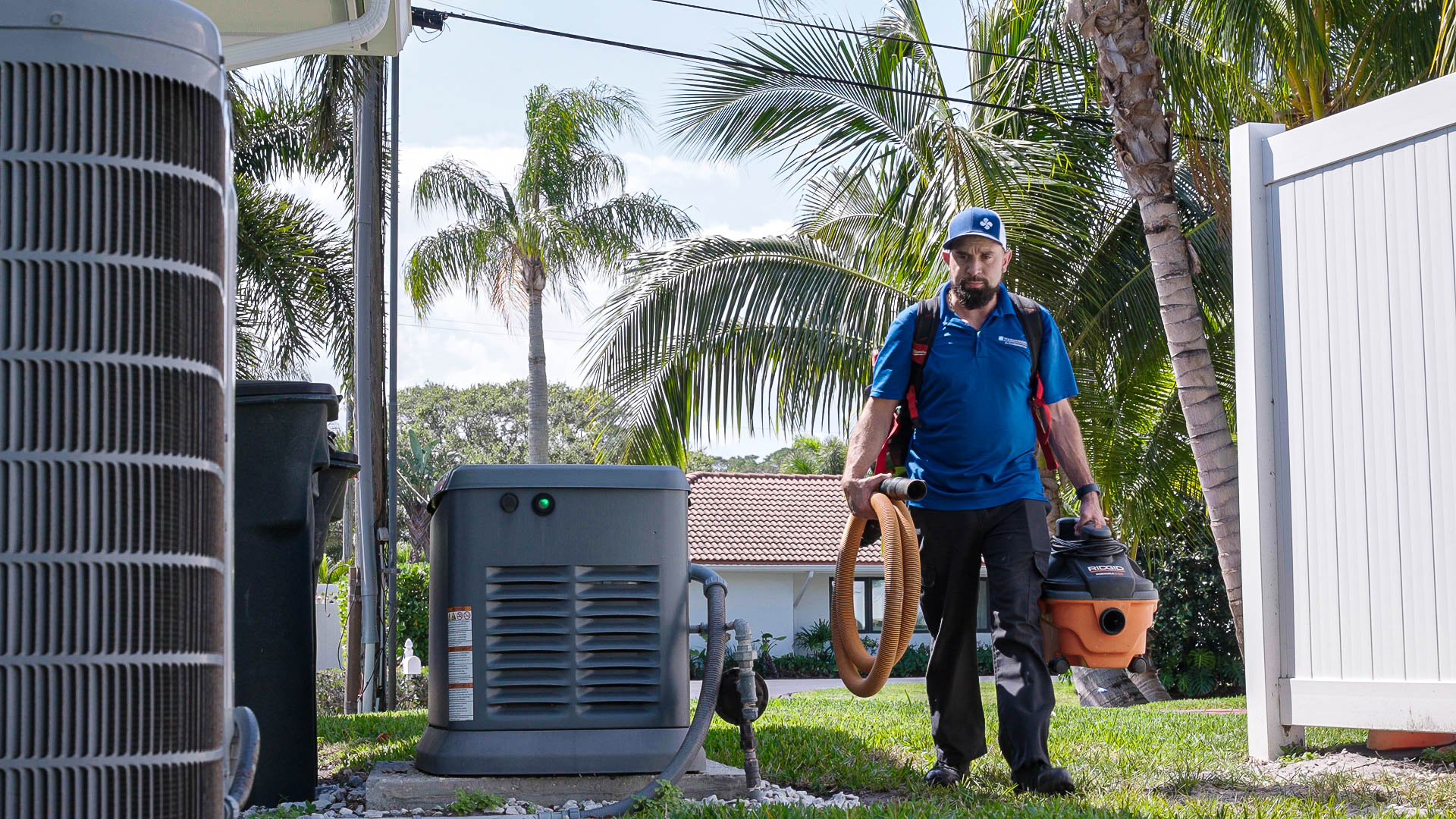
Air conditioning failure in Florida summer isn't negotiable. People fix it immediately regardless of cost. Brands like Aire Serv benefit from both emergency repair calls and scheduled maintenance contracts. The business model works because HVAC systems are complex enough that DIY isn't realistic, but common enough that every building needs service eventually.
With home services being among the fastest-growing sectors, HVAC franchises benefit from the massive skilled trades shortage and constant demand across residential and commercial markets.
3. Electrical Service Franchises
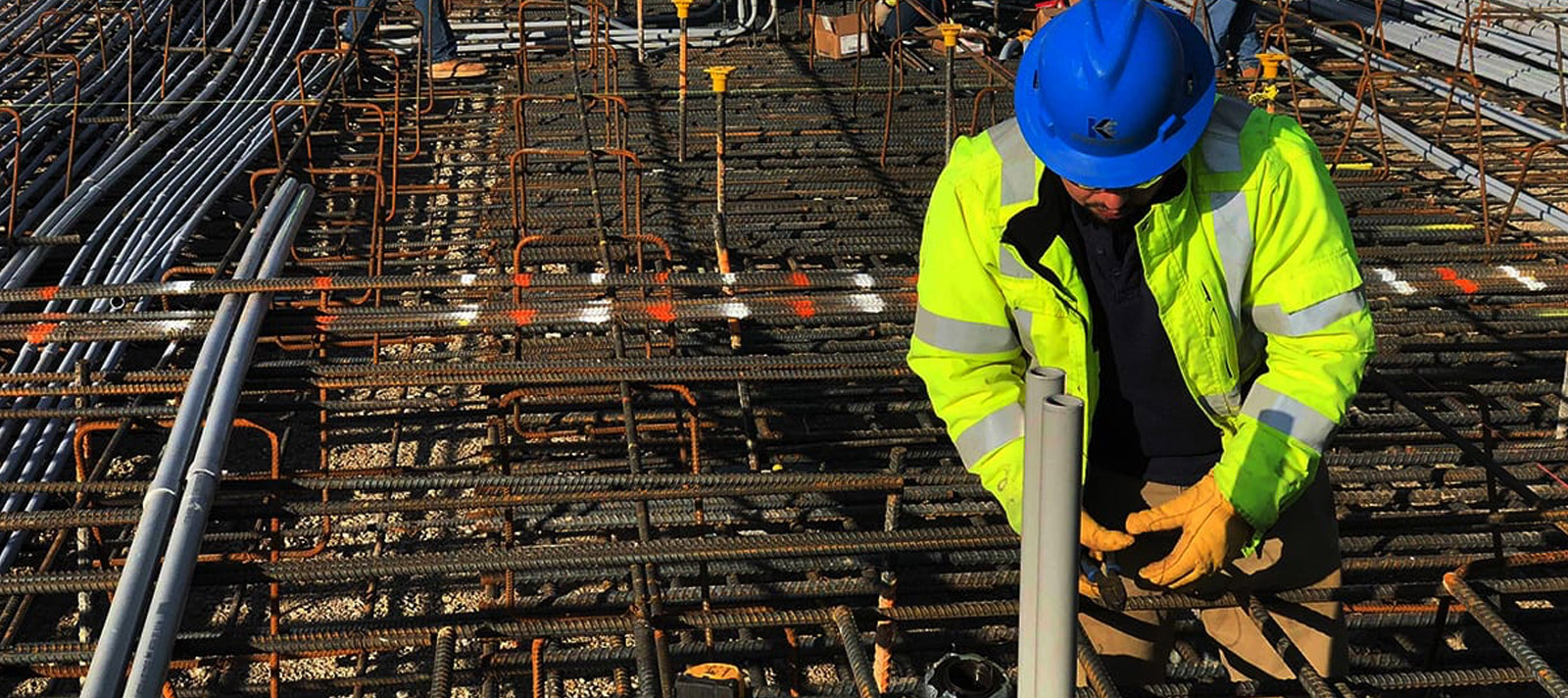
Licensing requirements limit competition. Not everyone can legally pull electrical permits or work on commercial systems. Franchises like Mister Sparky provide the brand recognition and operational systems that help you compete against established local electricians who've been in business for decades.
The shift toward smart homes, EV chargers, and solar installations creates new revenue streams beyond traditional electrical repair. Franchisors investing in training for these emerging services position franchisees for growth.
4. Window and Exterior Cleaning
Low overhead, home-based operations with multiple revenue streams. Window cleaning, pressure washing, gutter cleaning, and holiday lighting all leverage the same customer relationships and equipment. Commercial contracts provide recurring monthly revenue while residential work fills gaps.
The business scales from owner-operator to multi-crew operations without massive capital investment. You're not signing leases or buying expensive equipment. A truck, some ladders, and cleaning supplies get you started.
5. General Handyman Services
Demographic trends favor handyman franchises. Baby boomers aging in place need help with tasks they used to handle themselves. Younger homeowners who never learned basic repairs pay for services previous generations did themselves.
Franchise systems provide insurance relationships, dispatch software, and marketing that independent handymen struggle to access. The branding reduces customer acquisition costs significantly.
Senior Care Franchises

Demographics drive this category relentlessly. 10,000 Americans turn 65 every day. That trend continues through 2030. These people need care whether the economy is booming or crashing.
6. Non-Medical Home Care
Franchises like Home Instead and Visiting Angels provide companionship, meal prep, transportation, and personal care without medical licensing requirements. Lower regulatory burden means faster startup and lower overhead than medical facilities.
Multiple payment sources reduce risk. Private pay, long-term care insurance, veterans benefits, and Medicaid (in some states) create diverse revenue streams. If one source has issues, others compensate.
The recurring revenue model works. Once a client starts service, they typically continue for months or years. Acquisition cost is high, but lifetime value justifies it. Margins run 15-25% with established operations.
7. Senior Transportation Services
Specialized niche serving seniors who can't or shouldn't drive. Medical appointments, grocery shopping, social events all require transportation. Many seniors need non-emergency medical transport that Medicare covers.
Lower investment than full home care operations. Vehicles, insurance, and scheduling software are primary costs. The franchise provides relationships with healthcare systems and senior living facilities that drive referrals.
Commercial Cleaning Franchises
Buildings get dirty whether the economy is booming or crashing. Facility maintenance isn't optional. B2B long-term contracts provide revenue stability consumer businesses can't match.
8. Office and Commercial Cleaning
Jan-Pro, Vanguard, and similar franchises provide initial customer contracts as part of the franchise package. You're not starting from zero trying to find clients. The franchise has existing relationships and assigns accounts to new franchisees.
Low startup costs relative to revenue potential. Basic cleaning equipment and supplies don't require huge capital investment. Labor is your primary expense. The business scales from owner-operator cleaning offices at night to managing multiple crews across commercial accounts.
Contracts typically run 3-5 years. Once you land an account, you have predictable monthly revenue for the contract duration. Customer acquisition cost matters, but lifetime value more than justifies it.
9. Specialized Facility Services
Medical facility cleaning, industrial cleaning, and other specialized niches command premium pricing because requirements exceed basic janitorial work. Compliance, safety protocols, and specialized equipment create barriers to entry that protect margins.
Franchises provide training and certifications required for these specialized services. Independent operators struggle to access the education and insurance relationships needed to compete in these higher-paying segments.
Workforce Development Franchises
Labor shortages create massive opportunities for training and placement services. Companies can't find workers. Workers can't find training. Franchises that solve both sides of this problem print money.
10. Skilled Trades Training and Placement
The Blue Collar Recruiter addresses the skilled trades workforce shortage affecting every market nationwide. The model works because it solves urgent problems for both students and employers.
Students need affordable training for high-paying careers without four years of college. Employers need trained workers immediately. Government workforce development funding often covers training costs. Employers pay placement fees for qualified candidates.
The 1.4 million unfilled skilled trades positions create urgent demand that intensifies annually as retirements accelerate. This isn't a trend. It's a demographic reality that persists for decades.
The virtual trade school platform allows flexible delivery with lower overhead than traditional facilities. Students complete theory online, then do hands-on training at partner locations. Lower fixed costs mean better unit economics.
11. Professional Skills Training
Business skills training, certification prep, and continuing education franchises benefit from employers paying for employee development. Economic uncertainty often increases training demand as companies upskill existing workers rather than hiring new ones.
Automotive Services Franchises
During recessions, people keep cars longer and fix them instead of buying new. Maintenance can't be deferred indefinitely. Brakes, tires, and oil changes happen regardless of economic conditions.
12. Oil Change and Quick Maintenance
Fast oil change franchises like Take 5 and Valvoline thrive on volume. Lower margins per transaction, but high throughput generates strong total revenue. The 10-minute service model captures customers who won't wait an hour at traditional shops.
Real estate matters significantly. High-visibility locations near commuter routes drive traffic. The investment includes facility construction or conversion, which increases upfront costs but creates barriers to entry.
13. Full-Service Auto Repair
Trust-based positioning matters in auto repair. Christian Brothers Automotive and similar franchises leverage brand recognition to overcome the inherent skepticism customers have about repair shops. Transparent pricing and guarantees reduce friction.
Labor margins run 60-70% on repair work. Parts carry lower margins but the combination generates solid profitability. The key is technician recruitment and retention. Skilled automotive techs have options. Your franchise system better solve that problem or you'll struggle.
Fitness Franchises
Most fitness franchises fail. High overhead, intense competition, and fickle consumer behavior destroy margins. Low-cost, high-value models with recurring revenue survive. Everything else struggles.
14. 24/7 Access Gyms
Anytime Fitness pioneered the model: unstaffed facilities with 24/7 keycard access. Lower labor costs than traditional gyms. Members pay monthly for convenience. Get 500-700 members paying monthly dues and you generate consistent cash flow without massive overhead.
The model relies on the 80/20 rule. Most members don't use the gym regularly, but they keep paying because canceling feels like admitting defeat. Your job is signing members and preventing cancellations, not running classes or managing complex operations.
Food Service
Most restaurant franchises fail. High complexity, thin margins, labor challenges, and intense competition destroy operators who aren't excellent. These concepts succeed through operational excellence and proven systems.
15. Fast-Casual Dining
Jersey Mike's, Chipotle (not franchised but concept matters), and similar brands occupy the space between fast food and casual dining. Higher check averages than QSR, lower complexity than full service. Limited menus reduce inventory and training complexity.
Catering revenue supplements dine-in and takeout. Corporate lunch orders and event catering often exceed daily retail sales. The franchise should provide systems and relationships that help you access these higher-margin opportunities.
What Makes These Franchises "Best"?
These opportunities share characteristics that predict success. Proven track record operating successfully through economic cycles. Transparent financial disclosures showing realistic unit economics. Essential or recession-resistant services that people need, not just want. Low franchisee turnover and high renewal rates. Clear paths from single-unit to multi-unit ownership. Strong support systems including training, marketing, and operational guidance.
According to the International Franchise Association, franchises with these characteristics have significantly higher success rates than newer, unproven concepts.
Industries to Approach Cautiously
Retail franchises face ongoing pressure from e-commerce. High rent and low margins squeeze profitability. Traditional gyms struggle with oversaturation and competition from low-cost alternatives plus home fitness. Unproven concepts under five years old often fail before franchisees recoup investment. Single-revenue-stream models dependent on one product or service face higher risk than diversified operations.
FAQ: Best Franchises to Buy
Q: What's the best franchise for first-time buyers?
Home services or commercial cleaning offer lower complexity, essential services, and manageable learning curves. They're easier to operate than restaurants or retail which require more moving parts and tighter execution.
Q: Which franchises have the highest ROI?
Home services and workforce development typically offer strong profit margins with lower investment than food service. ROI depends heavily on your market, your management ability, and execution quality. The same franchise succeeds wildly in one market and fails in another based on operator competence.
Q: Are expensive franchises better than cheaper ones?
Investment level correlates with revenue potential but not automatically with profit margins or ROI. A lower-investment home services franchise might generate better returns than an expensive restaurant franchise. More expensive doesn't mean better. It means higher stakes.
Q: How long until a franchise becomes profitable?
Most take 12-24 months to reach profitability. Service-based franchises often hit breakeven faster because overhead is lower. Retail and food service require longer ramp-up periods with higher burn rates.
Q: Should I buy a single unit or commit to multi-unit?
Start with one unless you have extensive business experience. Prove the model works in your market before expanding. Many franchisors offer reduced fees for additional units once you succeed with the first.
Q: What due diligence should I do?
Read the entire FDD, especially Item 19 (financial performance) and Item 20 (franchisee turnover). Call 10-15 current franchisees. Track down former franchisees and ask why they left. Hire a franchise attorney to review agreements. Have an accountant verify financial projections against Item 19 data.
Q: Do I need industry experience?
Not for most franchises. The franchisor provides training and systems. Transferable business skills matter more than industry expertise. Management, sales, and customer service translate across industries. However, some home services franchises require hiring licensed technicians, which creates its own challenges.
Get Expert Guidance
Choosing among hundreds of franchise options requires understanding which concepts work in your market, match your skills, and align with your capital.
The Franchise Recruiter helps prospective franchisees evaluate opportunities and avoid costly mistakes. We specialize in recession-proof franchises like workforce development that address fundamental market needs.
Contact The Franchise Recruiter to discuss which franchises match your goals, budget, and market. Don't choose based on trends or sales pitches. Choose based on proven performance, realistic economics, and strong fundamentals.